Car Key Replacement by Make and Model — What the Process Actually Involves
Not all replacement keys are created equal, and the gap between a simple mechanical cut and a fully programmed smart key is significant. For older vehicles — typically pre-1995 models — a traditional cut key is often all that is needed. Our technicians measure the original lock cylinder or use a code pulled from the vehicle identification number to cut a precision blade on the spot. For vehicles manufactured after the mid-1990s, however, most manufacturers began embedding transponder chips inside the key head. These chips must be programmed to match the vehicle's immobilizer system, or the engine simply will not start even if the cut is perfect. We handle both the cutting and the chip programming in a single mobile visit.
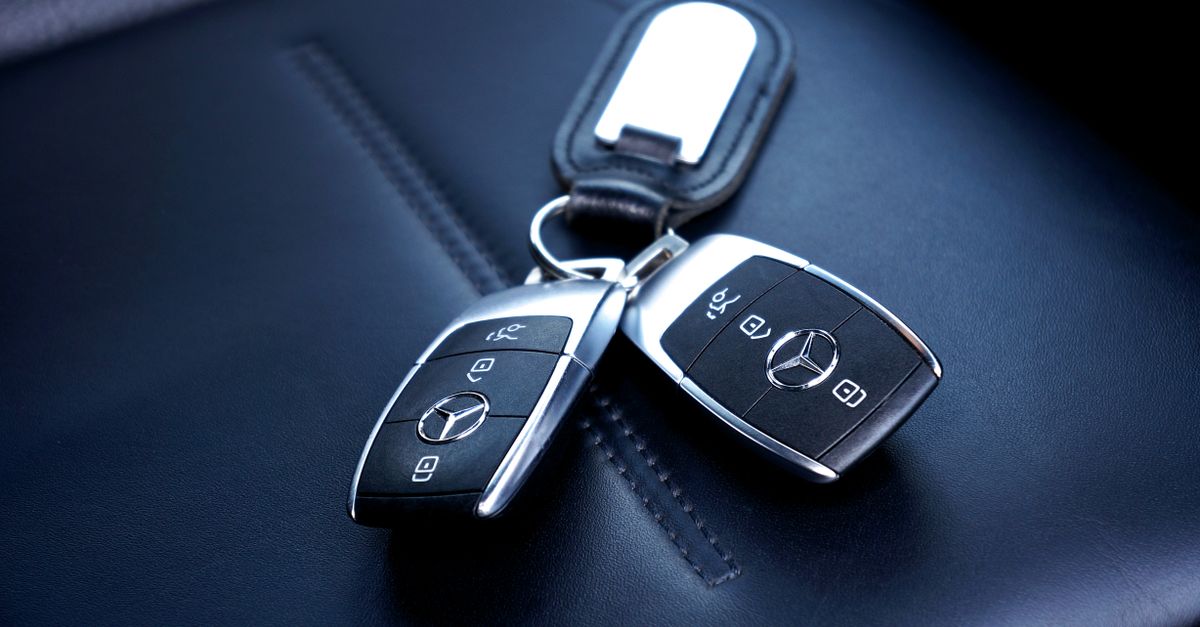
Modern vehicles add another layer of complexity with key fobs, proximity keys, and push-button start systems. A Toyota Camry key fob, a Ford F-150 intelligent access key, a Honda CR-V smart key, a Chevrolet Silverado remote head key, a BMW comfort access key, and a Dodge RAM proximity fob all require different programming procedures, different hardware, and often different software modules. Our technicians are trained across a broad spectrum of domestic and import makes — American brands like Ford, GM, Chrysler, and Jeep; Japanese brands like Toyota, Honda, Nissan, Subaru, and Mazda; Korean brands like Hyundai and Kia; and European brands like BMW, Mercedes-Benz, Volkswagen, and Audi. Before any work begins, we identify your exact year, make, model, and trim level, then confirm an exact up-front price so there are no surprises.