Why Mortise Locks in Bronx Buildings Fail More Often Than You Think
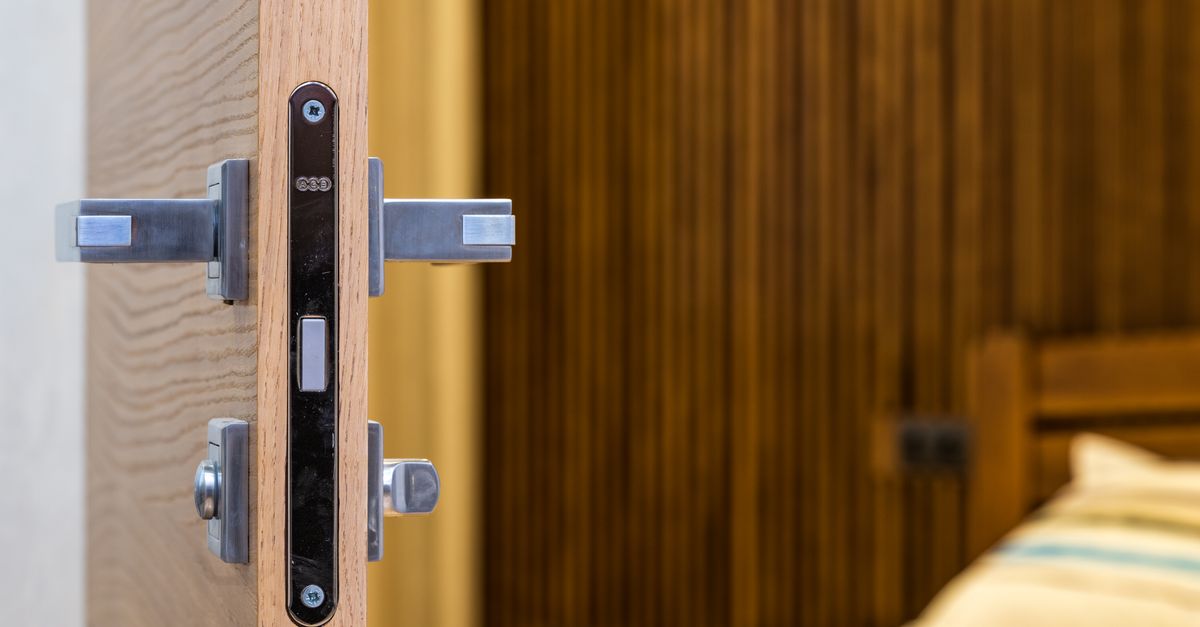
A mortise lock is not a surface-mounted deadbolt. It is a self-contained case — housing a latch, a deadbolt, and often a keyed cylinder — that sits inside a deep rectangular pocket cut into the door edge. This design gives it exceptional strength, which is exactly why New York City building codes and generations of landlords favored it. The problem is that the internal components of a mortise lock set from the 1950s or 1960s have now been cycling through hot summers and freezing Bronx winters for over half a century. Brass cams wear flat, steel springs fatigue and snap, tailpieces corrode, and the cylinder itself can seize completely if it has not been lubricated or re-keyed in years. Add in the way old building frames shift and settle over time — doors in pre-war Bronx walkups routinely rack out of square — and a lock that worked fine last winter can become impossible to turn by spring.
Common failure scenarios our technicians see throughout the borough include a key that turns but the bolt refuses to retract, a cylinder that spins freely without engaging anything, a frozen latch that will not release even when the knob is turned, and cases where a previous tenant or maintenance worker installed a replacement mortise lock cylinder that was never properly fitted to the case. Each failure mode requires a different diagnostic approach. Our technicians carry a broad inventory of replacement parts — including components compatible with Corbin Russwin mortise lock hardware, Baldwin mortise lock cases, and several other legacy manufacturers still found throughout Bronx apartment buildings — so in many situations the fix happens during the same visit as the diagnosis.