Why Keys Snap — and Why the Bronx Makes It Worse
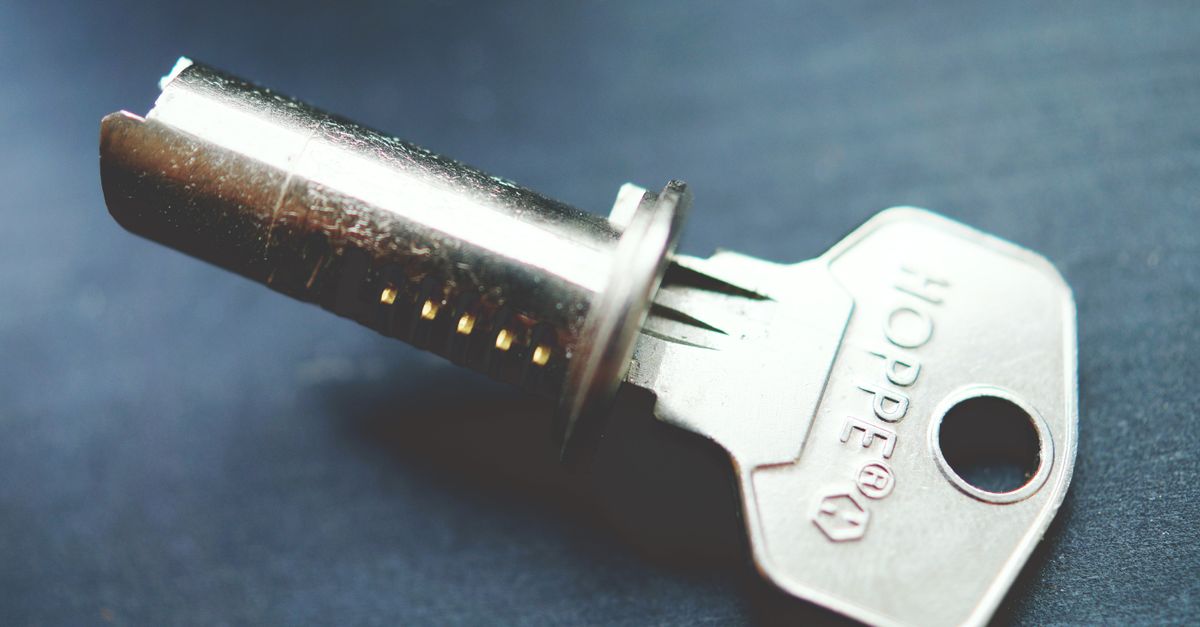
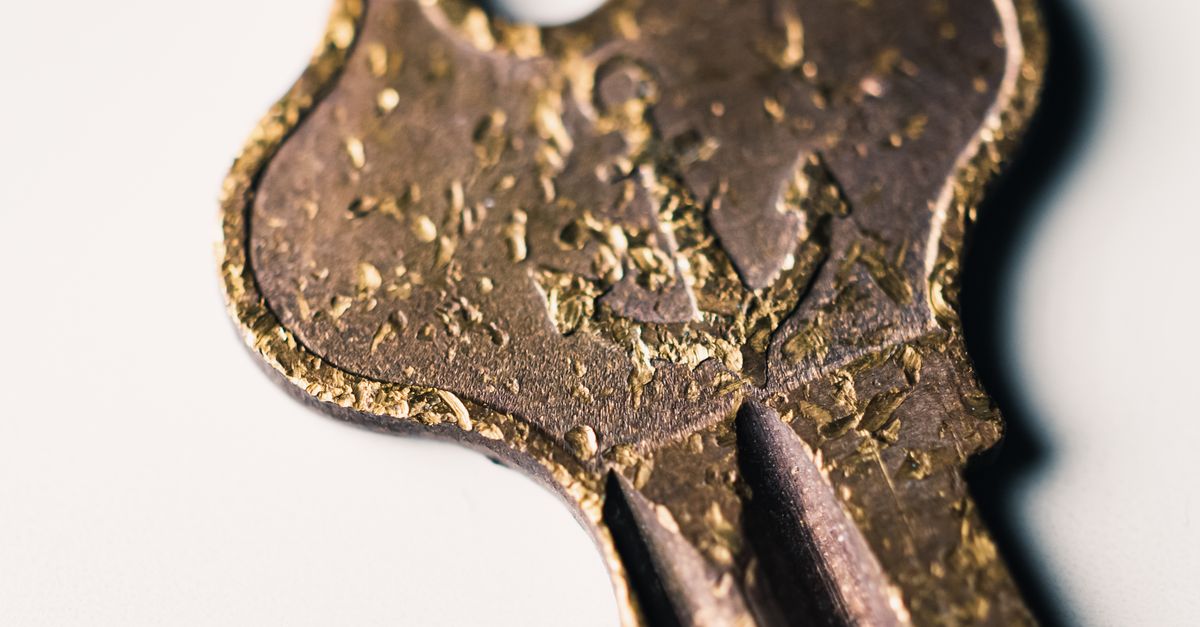
Keys break inside locks for a predictable set of reasons: metal fatigue from years of daily use, a worn or misaligned lock cylinder that forces the user to apply extra torque, a key that was already cracked or had been bent and straightened before, or a frozen cylinder on a bitter January morning in Riverdale that causes the metal to shear the moment force is applied. In the Bronx, the combination of aging housing stock and high-use entryways accelerates this problem. Many apartment buildings on the Grand Concourse and throughout Norwood were built in the early 20th century, and their lock hardware — particularly the traditional mortise lock assemblies that were standard in that era — can be decades old. A mortise lock is a more complex mechanism recessed directly into the door edge, and when a key breaks inside one, both the latch and the deadbolt functions can become completely immobilized, making professional extraction especially urgent.
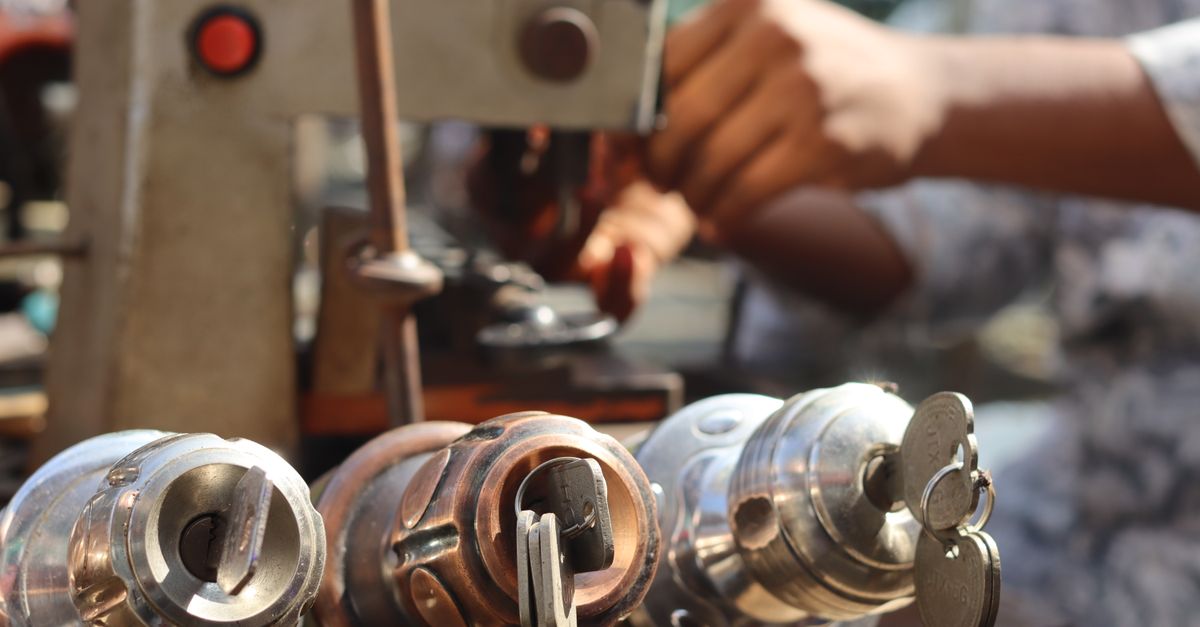
Vehicle keys present their own set of challenges. Transponder keys and laser-cut keys used in modern cars are thicker and more complex than traditional keys, but the ignition cylinders they operate have tight tolerances that leave very little room for extraction tools. Our mobile technicians carry the specialized extraction hooks, jigs, and scopes necessary to clear the broken segment from car ignition cylinders for a wide range of domestic and imported makes — all without dismantling the steering column unnecessarily.